
What Is Viscosupplementation? A Complete Guide
If you’ve been told you have knee osteoarthritis and are researching your options before committing to surgery, you may have come across the term viscosupplementation. This guide explains clearly what it is, how it works, what the evidence says, and who it tends to benefit most.

The Simple Definition
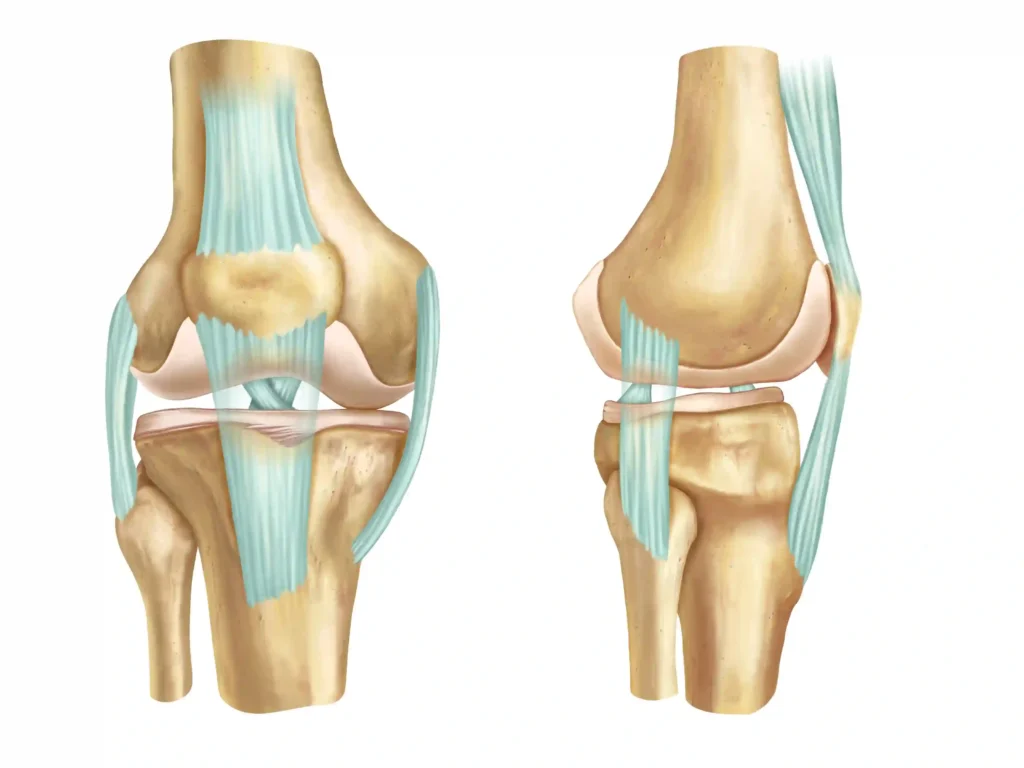
Viscosupplementation is a medical procedure that involves injecting hyaluronic acid into a knee joint affected by osteoarthritis. The goal is to supplement — or replace — the natural synovial fluid that lubricates the joint, helping to reduce friction, absorb shock, and ease movement.
The treatment is also referred to as:
- Hyaluronic acid knee injection
- Gel injection for the knee
- Viscosupplementation knee therapy
- Intra-articular hyaluronic acid injection
Why Does the Knee Fluid Degrade?
In a healthy knee, synovial fluid contains high concentrations of hyaluronic acid, which gives it its thick, lubricating properties. As osteoarthritis develops, the concentration and quality of hyaluronic acid in the joint fluid declines. This leads to:
- Increased friction between joint surfaces
- Greater shock transmission through the joint
- More pain and stiffness during movement
Viscosupplementation aims to restore some of that lubrication, at least temporarily, by injecting a synthetic or animal-derived form of hyaluronic acid directly into the joint space.
What Does the Evidence Say?
This is where honest information matters. The clinical picture on viscosupplementation is genuinely mixed:
Where the evidence is positive
- Some trials show short-term pain relief, particularly in patients with earlier-stage osteoarthritis
- Many patients with mild to moderate OA report meaningful functional improvement
- Combination approaches — such as hyaluronic acid alongside PRP (platelet-rich plasma) — show stronger results in some studies
- Duration of benefit in responders can range from 6 to 12 months
Where the evidence is more cautious
- Large meta-analyses suggest average benefit over placebo may be modest at a population level
- Results are highly variable — strong responders exist alongside patients who see no benefit
- It does not regenerate cartilage or modify the underlying disease
- It is less effective in advanced osteoarthritis where significant joint space loss has already occurred
The honest summary: viscosupplementation works well for some patients with mild to moderate osteoarthritis, and less well or not at all for others. A proper clinical assessment — not just a search query — is what determines suitability.
What Patients Say
The following experiences are drawn from public online discussions and forums. They represent a genuine spread of outcomes – from significant relief to limited benefit – reflecting the clinical reality that viscosupplementation works differently for different people.
“I went from barely being able to walk around the house to being able to go to the gym again. It wasn’t immediate — took maybe 4 weeks — but the difference was significant.”
“The injection itself was uncomfortable, and I had a rough couple of days afterwards with swelling. But by week 6 I was noticeably better. I’d describe it as buying time — which was exactly what I needed.”
“I tried two rounds and saw limited improvement both times. I’m not saying it doesn’t work — I think it genuinely does for some people — but it didn’t do much for me personally.”
“I’m 54, still training, and this bought me another 8 months before I had to seriously revisit the surgery conversation. Worth every penny for what it gave back to my routine.”
Source: Aggregated from public forums. Individual experiences vary. Seek clinical advice before making treatment decisions.
Why Does the Knee Fluid Degrade?
In a healthy knee, synovial fluid contains high concentrations of hyaluronic acid, which gives it its thick, lubricating properties. As osteoarthritis develops, the concentration and quality of hyaluronic acid in the joint fluid declines. This leads to:
- Increased friction between joint surfaces
- Greater shock transmission through the joint
- More pain and stiffness during movement
Viscosupplementation aims to restore some of that lubrication, at least temporarily, by injecting a synthetic or animal-derived form of hyaluronic acid directly into the joint space.
Who Is Most Likely to Benefit?
Based on available evidence and reported patient outcomes, viscosupplementation tends to produce better results in patients who:
- Have mild to moderate osteoarthritis (rather than end-stage)
- Are still reasonably active and mobile
- Have not previously had a poor response to hyaluronic acid injections
- Are using the injection as part of a wider management plan (including exercise and weight management where relevant)
If you’re based in central London and want to find out whether this treatment is appropriate for you, our viscosupplementation Clerkenwell page gives full details of the treatment we offer and how to arrange a consultation.
You may also want to explore the cost of viscosupplementation in London before booking a consultation.